Neural Headphones: Mind-Reading Tech
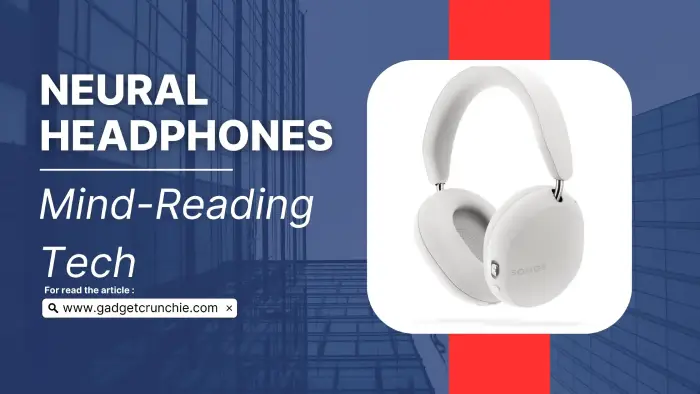
Neural headphones are a cutting-edge innovation in wearable technology, offering a mind-reading experience that connects your thoughts directly with audio devices. These futuristic devices use neuroimaging technology to interpret brain activity and tailor audio based on your emotions and intentions. This article explores how neural headphones work, their development, applications, ethical concerns, and future possibilities.
Introduction to Neural Headphones
Neural headphones are not ordinary earbuds. They analyze your brainwaves to personalize your listening experience, going far beyond conventional audio devices.
Definition of Neural Headphones
Neural headphones use EEG and other neuroimaging techniques to interpret brain activity and adjust the audio output according to your thoughts and emotions.
Read more about this topic.
History and Development
Although neural headphones sound futuristic, researchers have been developing neuro-driven audio devices for years. The goal is to bridge neuroscience and consumer technology.
How Neural Headphones Work
Neural headphones rely on neuroimaging and data processing to translate brain signals into useful audio commands.
Neuroimaging Technology
Using EEG and fNIRS, these devices detect brainwave patterns that reflect thoughts, emotions, and intentions.
Data Processing and Interpretation
Advanced algorithms interpret your brain activity and convert it into real-time audio control.
Applications of Mind-Reading Technology
Neural headphones have the potential to transform healthcare, communication, accessibility, and day-to-day interactions.
Healthcare and Rehabilitation
They can assist in brain activity monitoring, support rehabilitation, and provide personalized therapeutic audio.
Enhanced Communication
Neural headphones can help individuals with speech impairments by converting thoughts into words or audio cues.
Read more about this topic.
Ethical Implications of Neural Headphones
Since this technology deals with brain data, privacy and security concerns must be addressed.
Privacy Concerns
Neural data contains extremely sensitive information. Protecting user consent and preventing misuse is critical.
Security Risks
Unauthorized access to neural signals could create serious security threats. Ethical guidelines and strong safeguards are essential.
Potential Future Developments
Advancements in Neural Interface Technology
Future neural headphones may allow seamless control of devices with pure thought, eliminating the need for manual inputs.
Integration with Augmented Reality
Combining neural audio with AR could lead to immersive environments where actions respond to your thoughts instantly.
User Experience and Feedback
Comfort and Wearability
Comfort remains essential. Neural headphones must feel natural and lightweight to encourage long-term use.
Effectiveness and Accuracy
For real-world adoption, these devices must accurately distinguish between casual thoughts and intentional commands.
Watch video content more about this topic.
Comparison with Traditional Headphones
Sound Quality and Immersion
Neural headphones provide personalized sound based on your mind-state, creating a deeper level of immersion.
Convenience and Portability
With wireless designs and mind-controlled features, neural headphones offer more convenience than traditional models.
As this technology evolves, neural headphones promise to reshape the future of audio experiences through the power of brain-computer interaction.
FAQs
1. How do neural headphones differ from traditional headphones?
Neural headphones use brain-computer interfaces to interpret neural signals and personalize audio output. Traditional headphones do not read brain activity or adapt audio in real-time.
2. Are neural headphones safe for long-term use?
Current research shows neural headphones are generally safe, but long-term effects are still being studied. Users are encouraged to take breaks and avoid excessive usage.
3. Can neural headphones accurately interpret thoughts?
Accuracy continues to improve, but complete precision is limited by individual differences and complex brain patterns.
4. What ethical concerns exist with neural headphones?
Key concerns include neural data privacy, consent, and protection against unauthorized access or potential misuse.