Tiny Solar-Powered Drones Could Stay in the Air Forever
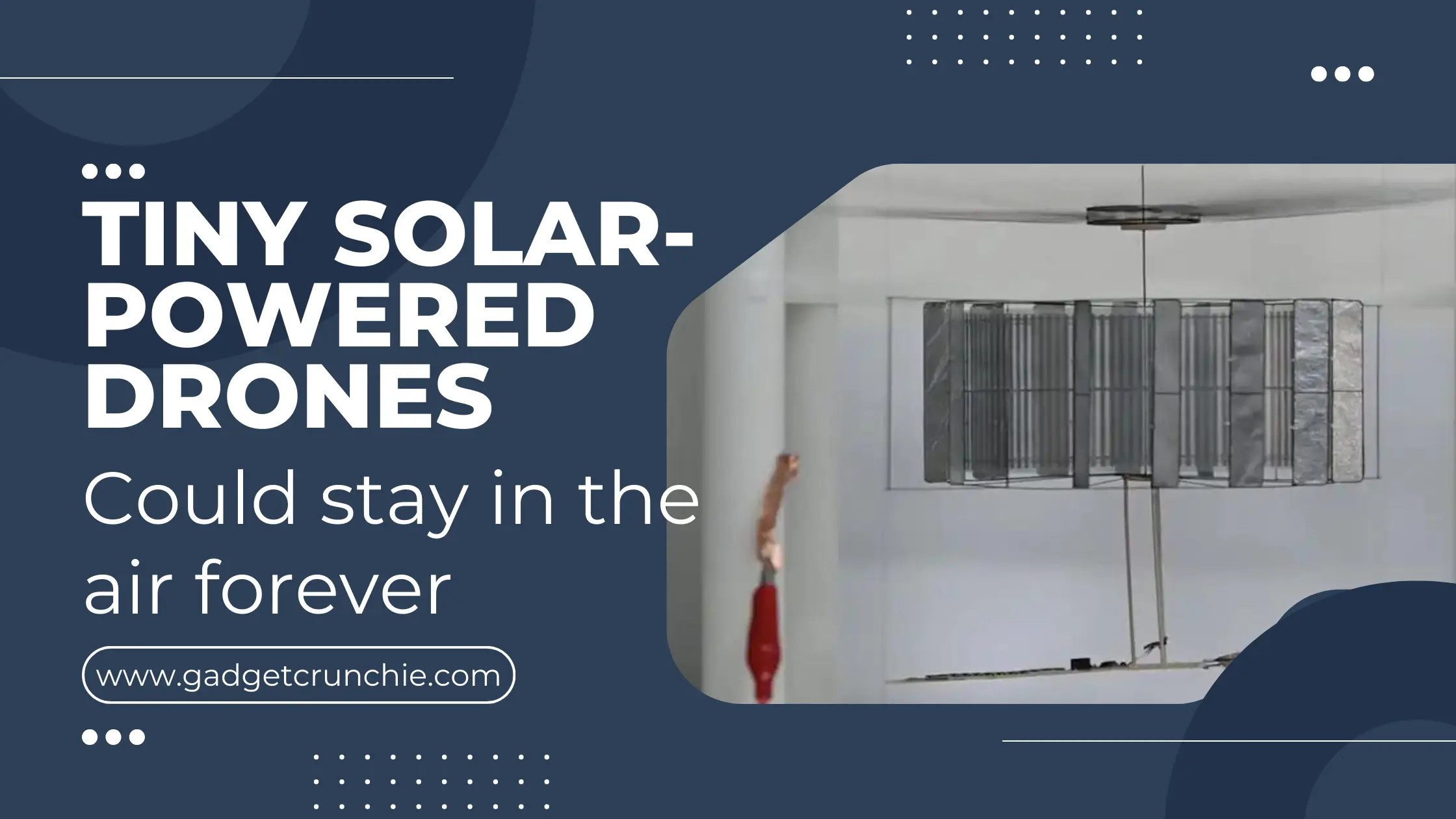
Tiny solar-powered drones represent a groundbreaking advancement in drone technology, offering the potential to revolutionize the capabilities and applications of unmanned aerial vehicles. By harnessing the power of solar energy, these miniature drones have the ability to stay aloft indefinitely, opening up a myriad of possibilities for continuous surveillance, monitoring, and other mission-critical tasks. In this article, we will explore the fascinating world of tiny solar-powered drones, delving into their advantages, continuous flight capabilities, practical applications, as well as the challenges and future innovations shaping this cutting-edge technology.
Introduction to Tiny Solar-Powered Drones
In a world where even our toaster ovens seem to be getting smarter, the evolution of technology continues to amaze. Enter tiny solar-powered drones, the pocket-sized eco-friendly gadgets that could potentially stay airborne forever. With the power of the sun at their wings, these miniature marvels are changing the game in the world of unmanned aerial vehicles.
Overview of Solar-Powered Drone Technology
Solar-powered drone technology harnesses the energy of the sun to keep these flying machines cruising through the skies. By converting sunlight into electricity using photovoltaic cells, these drones eliminate the need for traditional fuel sources, making them more sustainable and cost-effective in the long run.
Key Components and Functionality
At the heart of these little aerial wonders are solar panels that absorb sunlight and convert it into electrical power. This energy is then used to propel the drone’s electric motors, keeping it aloft and operational. With advancements in battery storage and energy management systems, these drones can maintain flight for extended periods, opening up a world of possibilities.
Read more about this topic.
The Advantages of Solar-Powered Technology
Increased Flight Time and Efficiency
By relying on solar energy, these drones can stay in the air far longer than their traditional counterparts. This extended flight time opens up opportunities for longer missions, increased data collection, and enhanced operational efficiency.
Environmental Benefits of Solar Energy
In a world grappling with climate change, solar-powered drones provide a breath of fresh air. By reducing reliance on fossil fuels and producing clean energy, these drones help minimize carbon emissions and contribute to a greener future.
Continuous Flight Capabilities of Tiny Drones
The idea of tiny drones buzzing around endlessly might sound like something out of a sci-fi movie, but with solar power and smart energy storage systems, it’s becoming a reality.
Solar Power as a Renewable Energy Source
With an abundant and renewable energy source like the sun, these drones have the potential to stay airborne indefinitely, revolutionizing the concept of continuous flight.
Integration of Energy Storage Systems
To ensure uninterrupted flight, solar-powered drones incorporate advanced energy storage systems to store excess power generated during sunny spells. This stored energy can then be tapped into during periods of low sunlight, allowing these drones to remain airborne around the clock.
Applications and Use Cases for Solar-Powered Drones
Surveillance and Monitoring
Whether it’s monitoring wildlife, tracking agricultural crops, or enhancing security, solar-powered drones excel in surveillance and monitoring tasks. Their long flight times and quiet operation make them ideal for keeping a watchful eye from above.
Disaster Response and Emergency Services
In emergency situations such as natural disasters or search and rescue missions, time is of the essence. Solar-powered drones can provide vital support by quickly surveying affected areas, delivering supplies, or aiding in communication efforts, all while operating sustainably and autonomously.
Watch video content more about this topic.
Weather and Environmental Impact
While solar-powered drones hold immense potential, they are not immune to the unpredictable whims of Mother Nature. Cloudy days or inclement weather can significantly hinder the drone’s ability to harness solar energy. Additionally, extended drone flights raise concerns about noise pollution and ecosystem disruption.
Technological Constraints and Design Considerations
Designing a solar-powered drone that can stay aloft indefinitely poses numerous challenges. Balancing weight with solar panels and battery capacity requires innovative engineering. Ensuring aerodynamics and flight stability while maximizing energy efficiency is a delicate act.
Future Developments and Innovations in Drone Technology
Advancements in Solar Cell Efficiency
The future of solar-powered drones hinges on advancements in solar cell efficiency. Breakthroughs in materials science and photovoltaic technology will unlock the full potential of solar energy for drones.
Autonomous Operation and Swarm Intelligence
Autonomous operation and swarm intelligence open exciting possibilities. Drones equipped with advanced sensors, AI algorithms, and communication systems can coordinate in swarms, enhancing efficiency and enabling innovative applications.
Conclusion
The development of tiny solar-powered drones signifies a leap forward in drone technology, offering unprecedented opportunities for sustainable, long-duration aerial missions. Ongoing solar efficiency and drone design advancements make continuous flight a tangible reality.
Frequently Asked Questions
1. How do tiny solar-powered drones generate and store energy?
They use photovoltaic cells integrated into the wings or body to convert sunlight into electricity. Excess energy is stored in batteries for use during low sunlight periods, enabling near-continuous flight.
2. What are some of the key challenges solar-powered drones face?
Limited energy storage of solar panels, weather dependency, and maintaining efficiency and flight stability are key challenges. Engineers are improving technology to address these issues.
3. What are the potential applications of tiny solar-powered drones?
Applications include aerial photography, agriculture monitoring, environmental research, disaster response, and surveillance, offering cost-effective and environmentally friendly solutions.