How to Build a Fast & SEO Friendly Website in 2026

Build a Fast & SEO Friendly Website in 2026: The Modern Developer’s Guide
In 2026, the digital landscape has shifted from “simple speed” to “instant interaction.” With Google’s evolving algorithms and the rise of AI-driven search, having a basic site isn’t enough. If you want to rank, you must build a fast & SEO friendly website that satisfies both human users and AI crawlers.
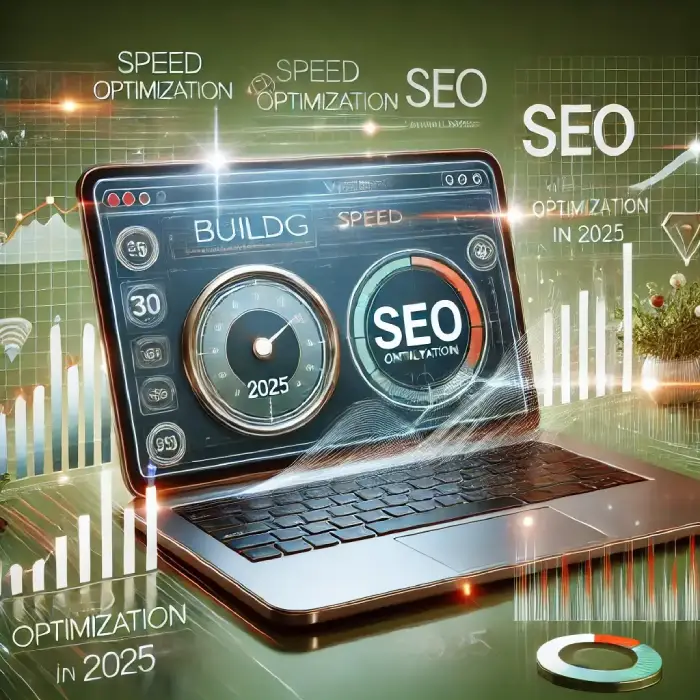
As a developer, I’ve seen that performance is no longer just a technical metric—it is the foundation of digital trust. Here is how you can dominate the search results this year.
Why Performance is the New SEO
In 2026, user patience is at an all-time low. Search engines now prioritize “Experience Signals” over everything else.
- Conversion Impact: Even a 100ms delay can drop your conversion rate by 10%.
- AI Search (SGE): AI bots prioritize websites that are structurally clean and lightning-fast.
- Retention: Fast sites keep users longer, reducing bounce rates and boosting domain authority.
Key Performance Targets for 2026
| Metric | Target Score | Why it Matters |
| LCP (Loading) | Under 1.5s | First impression of speed. |
| INP (Interaction) | Under 200ms | Replaces FID; measures responsiveness. |
| CLS (Stability) | 0.1 or less | Prevents annoying layout shifts. |
| TTFB (Server) | Under 0.5s | Essential for fast initial connection. |
Technical Steps to Build a Fast & SEO Friendly Website
1. Modern Tech Stack Selection
The first step to building a fast & SEO friendly website is choosing a lightweight foundation.
- WordPress: Use block-based themes (like Astra or Kadence) and avoid heavy builders like Elementor.
- Frameworks: If you are a coder, Next.js or Astro are the gold standards in 2026 for speed.
- Hosting: Move away from shared hosting. Use Cloud-based VPS or managed WordPress hosting with server-side caching.
2. Mastering Interaction to Next Paint (INP)
In 2026, Google will have fully transitioned from FID to INP. This means your site must react instantly when a user clicks a button or menu. To optimize this:
- Minimize heavy JavaScript execution.
- Use “Main Thread” optimization to ensure the browser isn’t “frozen” during load.
3. Next-Gen Image Optimization (AVIF & WebP)
Images are usually the heaviest part of a site.
- AVIF Format: Use AVIF over WebP for 30% better compression.
- SVG for Icons: Never use PNGs for icons; always use SVGs to keep the site crisp and lightweight.
- Lazy Loading: Ensure all below-the-fold media is lazy-loaded.
2026 SEO Strategies: Beyond Keywords
4. Implementation of Structured Data (Schema)
To help AI search engines understand your content, you must use advanced Schema Markup.
- FAQ Schema: Directly answers user queries in search results.
- Product/Article Schema: Boosts click-through rates (CTR).
- Local Business Schema: Essential if you are targeting a specific region.
5. Semantic SEO and AI Optimization
Modern SEO is about “Context,” not just “Keywords.”
- Topic Clusters: Don’t just write one post; build a “Cluster” of related topics to show authority.
- Natural Language: Write for humans. AI search tools (like Gemini or Perplexity) favor conversational yet expert content.
6. Mobile-First & Edge Delivery
Since 90% of organic traffic is now mobile, your design must be “Thumb-friendly.” Use a Content Delivery Network (CDN) like Cloudflare to serve your website from the server closest to the user, reducing latency globally.
Watch Video: Don’t miss out! Check out my latest YouTube video for in-depth insights and exciting content. Click here to watch ByteScript MZA now!
Essential Tools for Solo Developers
| Category | Recommended Tool (2026) |
| SEO Analysis | Rank Math (Free/Pro) |
| Speed Testing | PageSpeed Insights & Lighthouse |
| Image Compression | Squoosh.app / ShortPixel |
| Security/CDN | Cloudflare |
| Keywords | Ahrefs / Google Search Console |
FAQs: Building High-Performance Sites
Conclusion: The Path to Success
To build a fast & SEO friendly website in 2026, you need to balance technical speed with high-value content. Focus on INP, use modern image formats, and ensure your site is structured for AI crawlers.
As a developer, my goal is always to create a “frictionless” experience. When your site loads instantly and provides the exact answer a user is looking for, search engines will naturally reward you with higher rankings.
Is your website passing the Core Web Vitals test? Let me know in the comments if you need help auditing your speed!