Neural Headphones: The Future of Mind-Reading Audio 2026

Neural headphones are a cutting-edge innovation in wearable technology, offering a mind-reading experience that connects your thoughts directly with audio devices. These futuristic devices use neuroimaging technology to interpret brain activity and tailor audio based on your emotions and intentions.
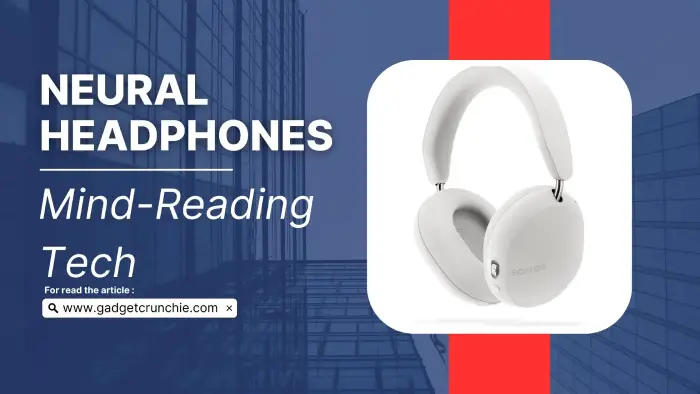
This article explores how neural headphones work, their development, applications, ethical concerns, and future possibilities.
What are Neural Headphones? (Definition & Tech)
Neural headphones are not ordinary earbuds. They analyze your brainwaves to personalize your listening experience, going far beyond conventional audio devices.
How Neuroimaging (EEG & fNIRS) Powers Your Audio
Neural headphones use EEG (Electroencephalography) and other neuroimaging techniques like fNIRS to interpret brain activity. By detecting brainwave patterns that reflect thoughts, emotions, and intentions, these devices adjust the audio output in real-time to match your mental state.
The Core Technology: EEG vs. fNIRS in Audio
Neural headphones do tarah ki technology use karte hain. EEG (Electroencephalography) aapke brain ki electrical activity ko detect karti hai, jo ke bohot fast hoti hai. Doosri taraf, fNIRS (Functional Near-Infrared Spectroscopy) blood flow ko monitor karti hai jo aapke mental focus aur stress levels ko samajhne mein madad karti hai. In dono ka combination hi “Mind-Reading” ko mumkin banata hai.
The Science Behind the Magic: How Do They Work?
Neural headphones rely on a bridge between neuroscience and consumer technology. They don’t just play sound; they listen to the listener.
Data Processing: Converting Brainwaves into Commands
Advanced algorithms and high-speed data processing translate faint brain signals into useful audio commands. These interpretation layers distinguish between your casual thoughts and intentional commands to create a seamless hands-free experience.
Neural headphones are a part of the broader evolution of wearable technology that we see today.
The Sensors: Why Material Science Matters
The success of neural headphones depends on “Dry Sensors.” Unlike medical EEG caps that require conductive gel, consumer-grade neural headphones use high-conductivity fabrics or gold-plated pins.
- Signal-to-Noise Ratio: The biggest challenge is filtering out muscle movements (like jaw clenching or blinking) from actual brainwaves.
- AI Integration: Modern neural headsets use on-device AI chips to process data locally, ensuring your “thoughts” never leave the device, which is a massive win for user privacy.
Top 3 Benefits of Neural Interface Headphones
- Adaptive Noise Cancellation: Aapka stress level dekh kar headphones khud noise cancellation adjust kar sakte hain.
- Mental Wellness: Yeh devices aapko meditation aur focus mein help karte hain by giving real-time feedback on your brain state.
- Hands-Free Control: Imagine switching tracks just by thinking about the next song—perfect for athletes and professionals.
Neural audio is just one part of the modern tech ecosystem. To stay fully connected on the go, many enthusiasts are pairing these headphones with rugged wearables. If you’re looking for the perfect companion for your outdoor adventures, don’t miss our deep dive into the Amazfit T-Rex 3 Pro Review 2025.
Revolutionary Applications of Neural Tech
Beyond just music, mind-reading technology has the potential to transform healthcare, communication, and accessibility.
Healthcare & Speech Impairment Support
These devices can assist in brain activity monitoring and support rehabilitation. For individuals with speech impairments, neural headphones can help by converting thoughts into words or audio cues, providing a new voice to those who need it most.
Next-Gen Gaming and Communication
In the future, neural interface technology may allow seamless control of gaming environments with pure thought, eliminating the need for manual controllers and creating deeper immersion.
According to recent 2026 breakthroughs by researchers at Mass General Brigham and Brown University, Brain-Computer Interfaces (BCI) now allow paralyzed individuals to type at speeds of 22 words per minute with 98% accuracy.
Ethical Concerns: Is Your Brain Data Safe?
Since this technology deals with neural signals, privacy is a major concern. Neural data contains extremely sensitive information about a person’s emotions and health. Protecting user consent and preventing unauthorized access to brain signals is a critical challenge for developers.
Neural vs. Traditional Headphones: Which is Better?
- Sound Quality: While traditional headphones focus on drivers, neural headphones provide personalized sound based on your mind-state.
- Convenience: Wireless designs combined with mind-controlled features offer more convenience and a futuristic feel compared to manual inputs.
- Accuracy: However, traditional headphones are currently more reliable, as neural tech must still improve its ability to filter intentional commands from background brain noise.
Neural vs. Traditional Headphones
| Feature | Traditional Headphones | Neural Headphones (BCI) |
| Primary Input | Manual (Buttons/Touch) | Neural Signals (Thoughts) |
| Personalization | Equalizer Settings | Real-time Brain Activity |
| Technology | Acoustic Drivers | EEG & fNIRS Sensors |
| Best For | Casual Listening | Productivity & Healthcare |
| Cost Range | $20 – $500 | $300 – $1500+ |
The Roadmap: When Will Neural Headphones Go Mainstream?
While companies like Neurable and Enten are already making waves, 2026 is the tipping point. Industry experts predict that by 2028, brain-sensing technology will be as common as heart-rate monitors in smartwatches.
- Phase 1 (Current): Focused on productivity and wellness (stress tracking).
- Phase 2 (2027-2029): Integration with Smart Homes—imagine your lights dimming automatically when your headphones detect you are falling asleep.
- Phase 3 (2030+): Full Thought-to-Text communication, removing the need for keyboards entirely.
What to Look for When Buying Neural Headphones in 2026
If you are planning to invest in this futuristic tech, keep these three factors in mind:
- Sensor Latency: Look for devices with less than 50ms latency for a truly “instant” thought-controlled experience.
- Battery Life: Neural processing consumes more power than standard Bluetooth. Ensure the device offers at least 10-12 hours of “Active Brain Sensing” mode.
- App Ecosystem: Check if the brand provides a detailed dashboard to visualize your focus and stress patterns over time.
Companies like Neurable have shown that users can identify their ‘Peak Focus’ times using these headphones, allowing them to schedule their hardest tasks better.
Conclusion
As this technology evolves, neural headphones promise to reshape the future of audio experiences through the power of brain-computer interaction. While they are currently a premium niche, they represent the next logical step in our digital evolution.